 By bizn_fun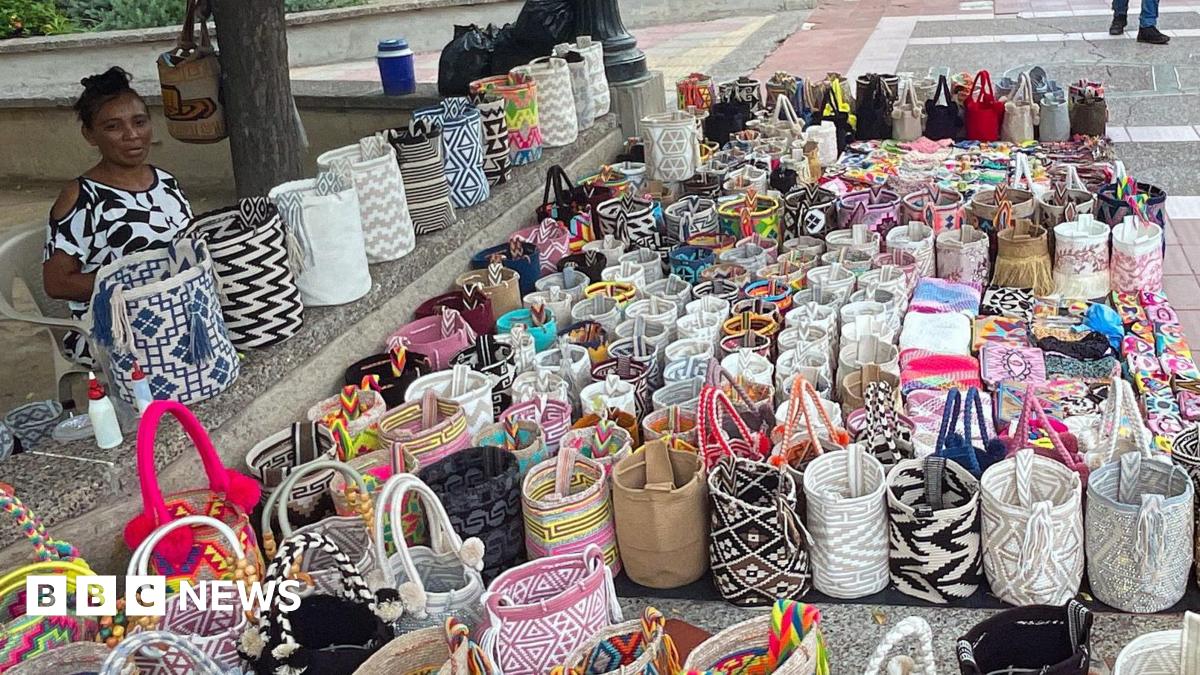
Weaving has long been central to the Wayuu people, who number around 380,000 in Colombia. They have lived for centuries on the semi-arid peninsula of La Guajira in the northeast of the country, and extend into neighbouring Venezuela.
Techniques are passed down through generations, with geometric patterns on many mochilas reflecting clan identity, spirituality, and the natural world.
Weaving is also a vital source of income in La Guajira, Colombia’s second-poorest province, where two-thirds of the population live in poverty.
For Ms Aguilar, both domestic mochila sales and exports have improved conditions in her rural Wayuu community of 11 families, and enabled her daughter and niece to attend university.
But while the growing global demand has improved opportunities for some, it has also brought challenges. Many artisans face exploitation, and there are concerns that traditional craftsmanship is being sacrificed for speed and commercial gain.
Some Wayuu women – supported by socially-conscious entrepreneurs – are working to access fairer export markets and promote the mochila’s cultural value.
Prices for Wayuu mochilas vary considerably. A medium-sized lower quality bag – made with simpler designs and weaving techniques – can be found across Colombia for around $20 (£15) – sometimes less.
Higher-end bags typically start at around $80 and can rise to several hundred pounds, depending on the weaving time, complexity of the design.
Traditionally, mochilas were crafted over weeks, but rising demand led many weavers to develop faster techniques, producing simpler designs in two or three days.