 By bizn_fun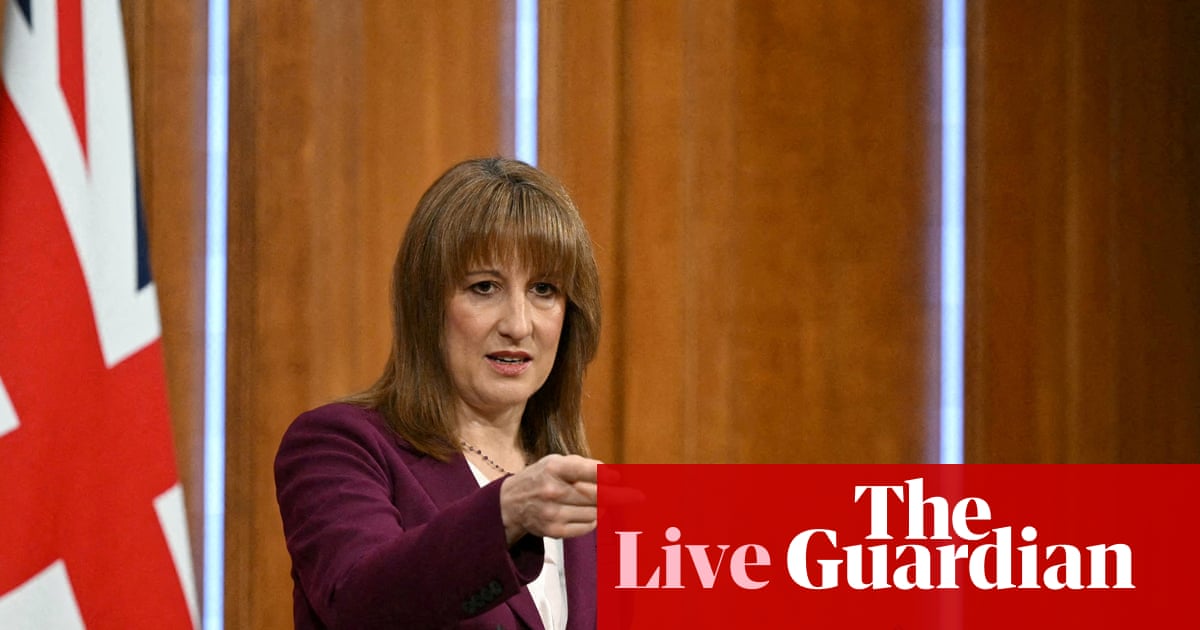
UK inflation drops to 3.6% in October ahead of crunch budget

Richard Partington
BREAKING: UK inflation dropped to 3.6% in October, easing pressure on households and providing a boost for Rachel Reeves as the chancellor prepares for her make-or-break budget next week.
The Office for National Statistics (ONS) said annual inflation as measured by the consumer prices index cooled for the first time in five months, declining from a peak of 3.8% over July, August and September.
Reeves has vowed to cut living costs in her highly anticipated tax and spending statement on 26 November, including measures to bring down the inflation rate to smooth the path for the Bank of England to cut interest rates.
Threadneedle Street opened the door earlier this month to a post-budget cut in borrowing costs in December after it signalled inflation had probably peaked amid mounting fears over the strength of the economy.
Borrowing costs have been cut five times since Labour came to power in July 2024, with the last reduction made in August.
Our main story here:
Key events
While inflation has dipped, Octobers’ rise in food inflation is raising concerns, especially as businesses and households edge towards the Christmas season.
That includes unions, which are worried about how higher prices of essential goods are impacting struggling families heading into the winter months.
Unite general secretary Sharon Graham said:
Today’s figures will bring no comfort to the millions of families having to choose between heating and eating this winter.
Food prices are going through the roof, with many essentials now costing a quarter more than they did three years ago and still rising.
Workers are demanding the government tackle the cost-of-living crisis and that must begin with next week’s budget.
Karen Betts, chief executive of the Food and Drink Federation (FDF) says manufacturers are paying nearly 40% more for ingredients and energy than they were before the Covid-19 pandemic in January 2020.
She notes they are are also shouldering the costs of new regulations including new packaging taxes and increases to employers’ national insurance contributions.
Betts says this has put food manufacturers on edge about further hits from next week’s budget:
Hard-pressed food and drink companies are finding they simply have no choice but to increase prices.
As the budget approaches, food manufacturers are nervous, with nine in ten worried about the impact of additional costs and taxes on food prices.
We want instead to see government step up and support our sector, by protecting businesses from unwelcome tax surprises and partnering with us to drive growth and build resilience, to help prevent future price rises for shoppers.
This marks the first drop in the rate of annual inflation in five months, and is raising expectations that the Bank of England will cut the base rate – currently sitting at 4% – at its next monetary policy meeting in December.
However, there are still some variables, not least the contents of the chancellor’s budget next week.
George Brown, senior economist at Schroders, said:
Evidence inflation has peaked should tip the scales towards a December rate cut.
But any further rate cuts will largely depend on the contents of the chancellor’s red box. If VAT and green levies are eliminated from household energy bills, inflation could fall by as much as half a percentage point.
But we remain concerned that broader price pressures will prove persistent.
Wage growth is still well above a target-consistent pace, especially given repeatedly weak productivity. The Bank must tread carefully given the heightened risk that high inflation becomes entrenched.
Falling gas and electricity prices were the main drivers for the fall in annual inflation this month, according to the Office for National Statistics (ONS).
That was alongside hotels, where monthly prices fell by 2.2%, compared with a fall of 0.2% a year ago.
It helped offset a rise in prices for food and non-alcoholic drinks, which increased to 4.9%, with bread and cereals leading a rise in prices, up 0.02 percentage points.
Chancellor Rachel Reeves will be celebrating the positive data just days ahead of her autumn budget, giving her a chance to point to tangible changes in pricing for consumers.
In a statement issued by HMT this morning, Reeves says:
This fall in inflation is good news for households and businesses across the country, but I’m determined to do more to bring prices down.
That’s why at the budget next week I will take the fair choices to deliver on the public’s priorities to cut NHS waiting lists, cut national debt and cut the cost of living.
UK inflation drops to 3.6% in October ahead of crunch budget
Richard Partington
BREAKING: UK inflation dropped to 3.6% in October, easing pressure on households and providing a boost for Rachel Reeves as the chancellor prepares for her make-or-break budget next week.
The Office for National Statistics (ONS) said annual inflation as measured by the consumer prices index cooled for the first time in five months, declining from a peak of 3.8% over July, August and September.
Reeves has vowed to cut living costs in her highly anticipated tax and spending statement on 26 November, including measures to bring down the inflation rate to smooth the path for the Bank of England to cut interest rates.
Threadneedle Street opened the door earlier this month to a post-budget cut in borrowing costs in December after it signalled inflation had probably peaked amid mounting fears over the strength of the economy.
Borrowing costs have been cut five times since Labour came to power in July 2024, with the last reduction made in August.
Our main story here:
Introduction: UK inflation forecast to show decline from recent peak of 3.8%
Good morning, and welcome to our rolling coverage of business, the financial markets and the world economy.
Inflation in the UK is forecast to have dipped to an annual rate of 3.6% in October from 3.8% in September, according to City economists, in a move that could give chancellor Rachel Reeves a leg-up ahead of next week’s crucial budget.
If forecasts prove correct, it would be the first time in five months that annual inflation, measured by the consumer price index (CPI), will have cooled.
A lower reading would give the government some good news, signalling some easing for particularly for hard-pressed consumers, having vowed to cut living costs in her 26 November autumn tax and spending statement.
It would also raise hopes of another interest rate cut from the Bank of England.
Morningstar’s UK economist Grant Slade, who is expecting a slowdown in annual inflation in October to 3.6%, says:
Having reared its ugly head once more in 2025, inflation likely peaked in September when transport costs exerted upward pressure on headline CPI.
The disinflation process remains intact, in our view.
A weakening labour market and well-anchored long-term inflation expectations should allow for the impact of prior supply-side shocks to fade progressively over the coming quarters.
The official figures are released at 7am.
But barring any significant surprises, it still means inflation is holding well-above the government’s 2% target, marking the 13th successive month that CPI has surpassed that level.
The International Monetary Fund forecast last month that UK households would experience the highest inflation rate in the G7 this year and next.
The agenda
-
7am GMT: UK CPI inflation for October
-
9.30am GMT: ONS house price and rents data
-
10am GMT: Eurozone inflation (final reading) for October
-
1.30pm GMT: US Housing starts
-
7pm GMT: US Federal Reserve publishes the minutes from the October FOMC meeting