 By bizn_fun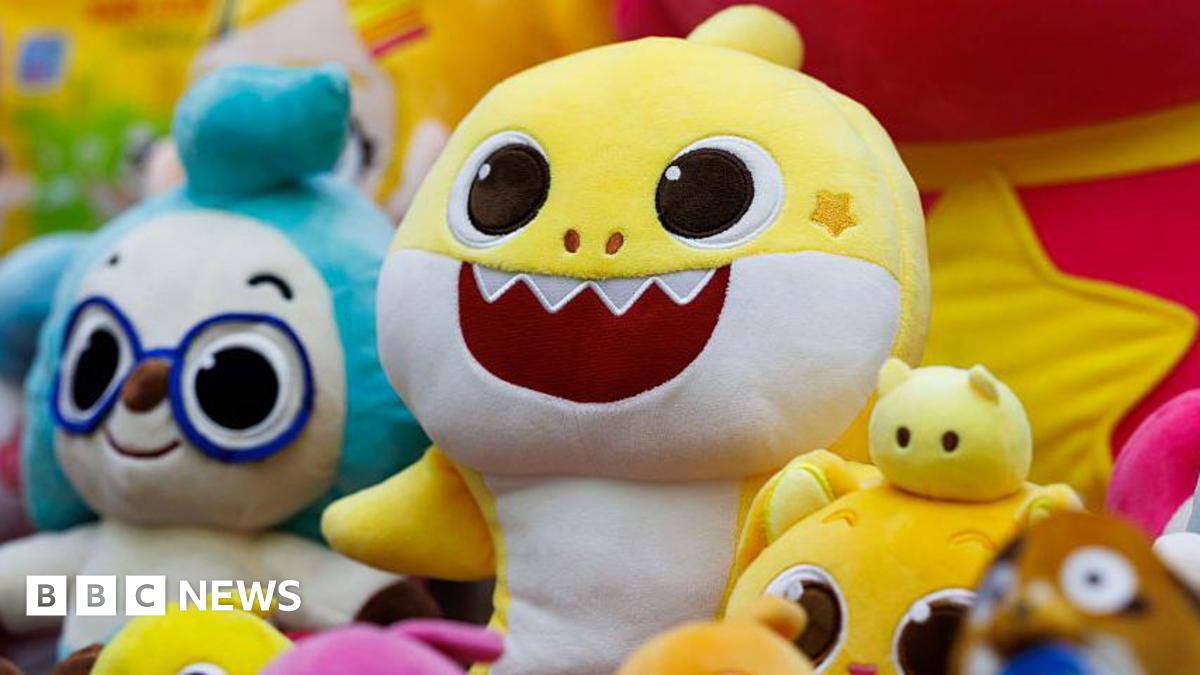
Pinkfong’s other franchises like Bebefinn and Sealook are growing fast but the firm must prove its success is not just reliant on Baby Shark, said Korea University business lecturer Min Jung Kim.
The company’s target audience is a major plus as toddlers tend to watch the same material repeatedly, she said.
Kim Min-seok insists his business can grow beyond Baby Shark, which currently accounts for about a quarter of Pinkfong’s revenue. Meanwhile, Bebefinn has leapt ahead, generating roughly 40% of the firm’s earnings.
One parent told the BBC that his family has mixed feelings about Pinkfong’s videos.
Father of two Saleem Nashef said he appreciates the educational qualities of the firm’s content but his wife thinks Baby Shark is “too over-stimulating for kids”.
Still, the viral video is apparently inescapable, as his daughter, who is about to turn three, will have a Baby Shark-themed birthday party.
Whether Pinkfong can create other characters to match Baby Shark’s commercial appeal remains unclear, said Prof Kim.
It raised almost $52m in its stock market debut and plans to use the money to expand its line-up of films and characters, said Mr Kim.
The company also aims to become a “tech-driven” content creator, using viewing patterns and other data to shape its new projects.
Pinkfong has already achieved “what many creators have always dreamed of,” Mr Kim said.
But now it must show investors that it is not just a one-hit wonder.
Thank you for your sharing. I am worried that I lack creative ideas. It is your article that makes me full of hope. Thank you. But, I have a question, can you help me?