 By bizn_fun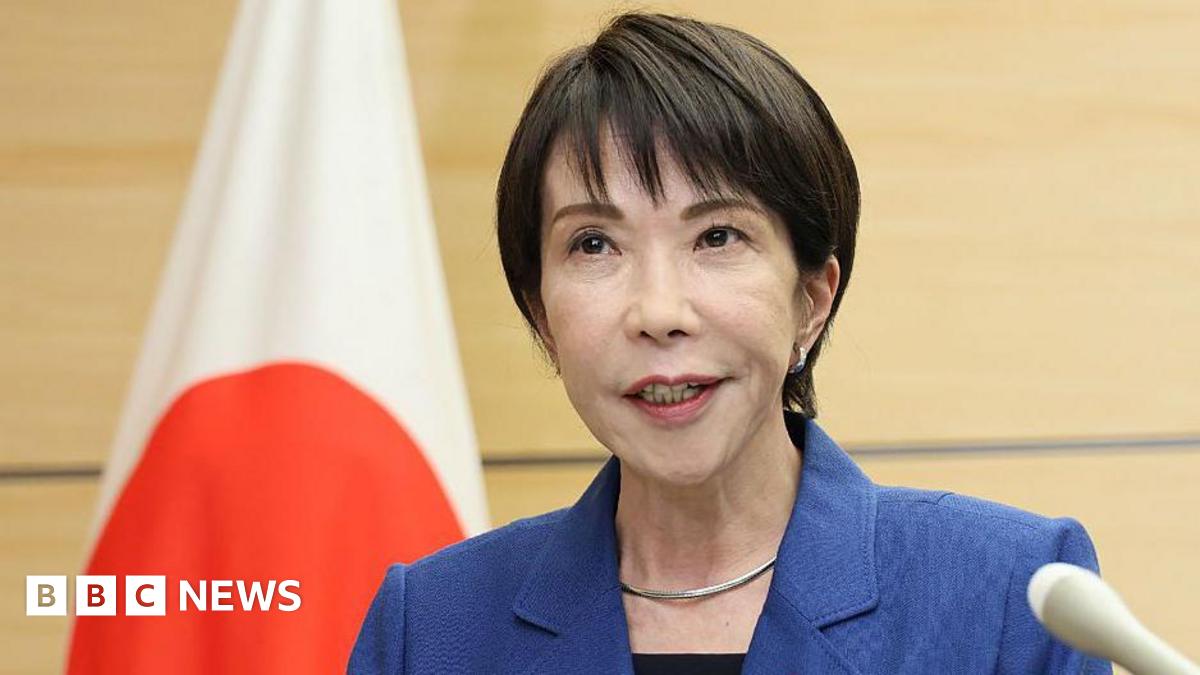
Prof Kaori Hayashi, Tokyo University’s executive vice president who is spearheading the initiative, says progress has been slow but significant.
The problem, she cautions, is they’re still facing a limited candidate pool. Girls are sometimes actively discouraged from pursuing stem or entering Tokyo University.
To counteract this early-stage gender bias, the university runs outreach programs, sending female students back to their high schools to talk about life on campus and serve as role models.
Undoubtedly, the most visible role model for women in Japan, however, is the newly elected Prime Minister Sanae Takaichi, who heads Japan’s Liberal Democratic Party (LDP).
Some have applauded her rise as the shattering of the glass ceiling, in a country that has extremely low female political empowerment compared to its OECD counterparts.
Others, however, bemoan her conservative viewpoints, such as her opposition to proposed legislation that would allow women to keep separate surnames after marriage. They worry little will change.
“I understand that some people are encouraged by the idea that a woman can become prime minister, but I don’t think it will lead to the realisation of gender equality policies,” says youth activist Momoko Nojo.
But in a country trying to open the doors to more female leaders across all sectors, it’s impossible to ignore the significance of Sanae Takaichi’s election. Whether some consider her a role model or not, a precedent has been set that women in Japan can become leaders at the very top.