 By bizn_fun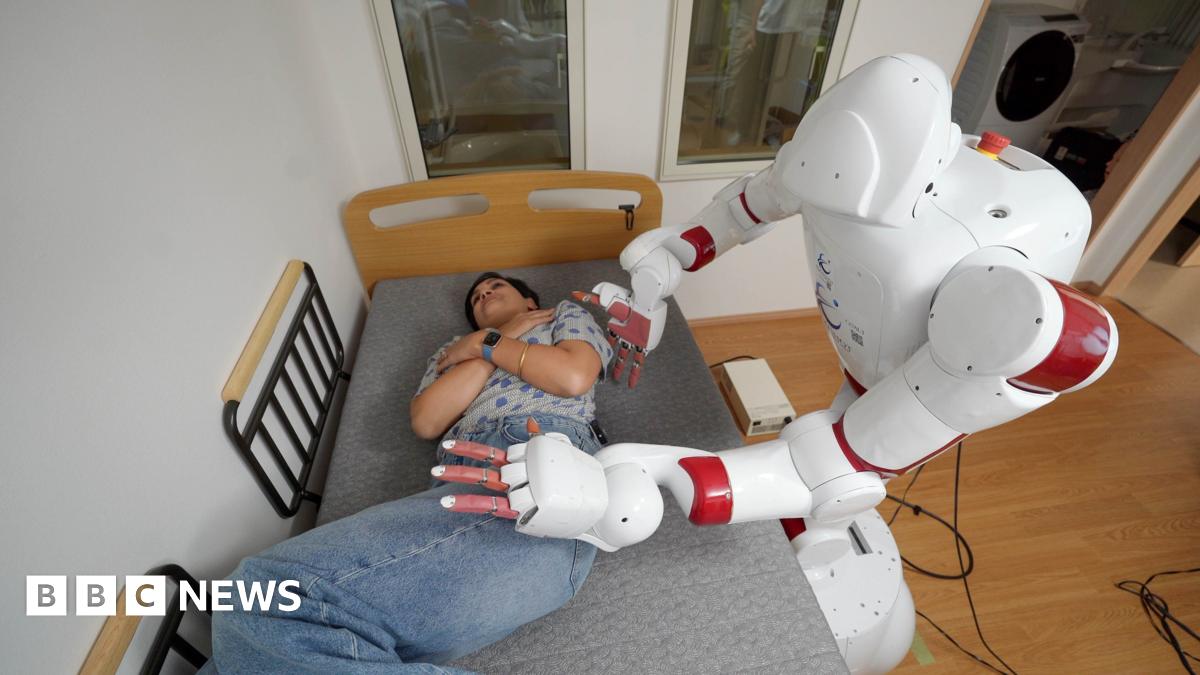
While devices and robots offer new ways to assist, human connection remains irreplaceable.
“Robots should supplement, not substitute, human caregivers,” Mr Miyake, the Waseda University scientist said. “While they may take over some tasks, their main role is to assist both caregivers and patients.”
At the Restaurant of Mistaken Orders in Sengawa, Tokyo, founded by Akiko Kanna, people stream in to be served by patients suffering from dementia.
Inspired by her father’s experience with the condition, Ms Kanna wanted a place where people could remain engaged and feel purposeful.
Toshio Morita, one of the café’s servers, uses flowers to remember which table ordered what.
Despite his cognitive decline, Mr Morita enjoys the interaction. For his wife, the café provides respite and helps keep him engaged.
Kanna’s café illustrates why social interventions and community support remain essential. Technology can provide tools and relief, but meaningful engagement and human connection are what truly sustain people living with dementia.
“Honestly? I wanted a little pocket money. I like meeting all sorts of people,” Mr Morita says. “Everyone’s different – that’s what makes it fun.”