 By bizn_fun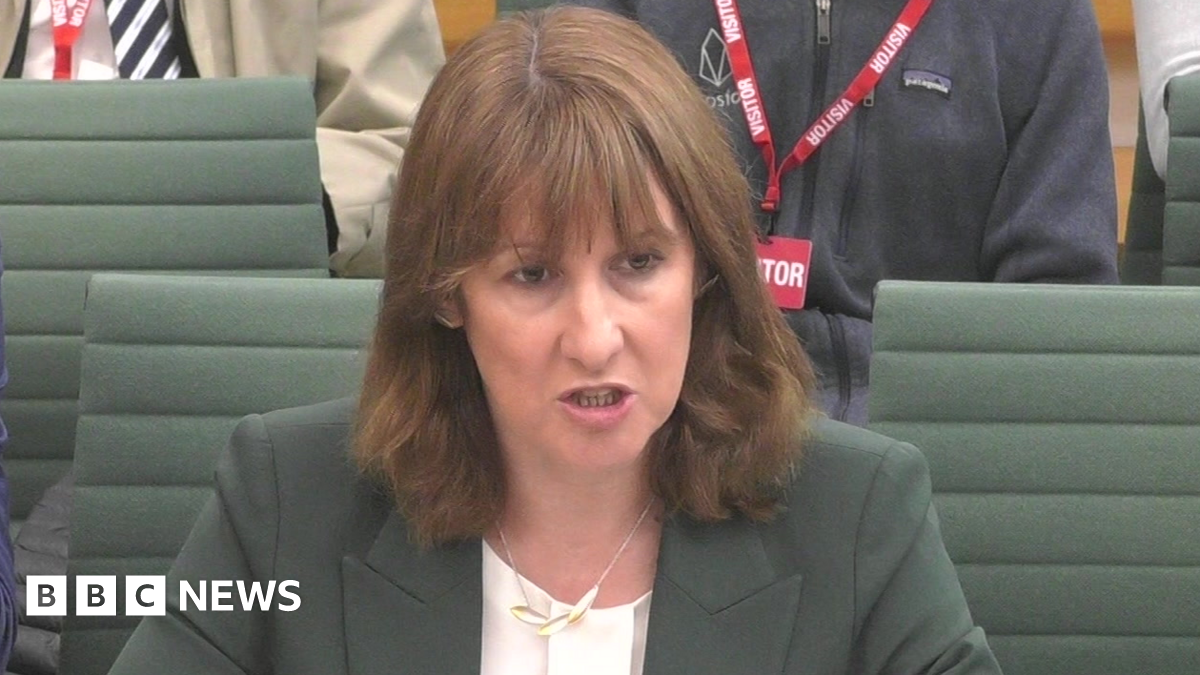
In the weeks before the Budget, the Chancellor herself fuelled speculation she was preparing to raise income tax in a speech that sought to roll the pitch for the autumn statement by warning of difficult decisions ahead.
She had suggested that sticking to Labour’s pre-election promises, which included a pledge not to hike income tax, would only be possible with “deep cuts” to public investment.
A leak to the Financial Times (FT) later revealed the proposal to increase income tax rates for the first time in 50 years had been dropped.
Asked about the FT report being attributed to “officials briefed on the move”, Reeves responded emphatically: “It was not an off-the-record briefing, it was a leak.
“I’m absolutely categorical that that was not an authorised briefing – it was incredibly damaging and frustrating and that is why we have a leak inquiry,” she said.
“It was not briefing that was signed off by me, any of my ministers or officials, it was unacceptable.”
Reeves said she was particularly exercised by the FT leak because it “presented partial and inaccurate information and an inaccurate picture of the budget strategy”, the suggested “I had ditched core elements of the budget strategy”.
Permanent Secretary to the Treasury James Bowler said the Cabinet Office is heading up the current leak inquiry and would be looking at ministers as well as officials and advisers, both in the Treasury and “wider departments”.
Questioned about a previous OBR issue in February, where Bloomberg obtained confidential data showing downgraded economic growth projections, Mr Bowler said an internal inquiry in March was “not clear whether that was a leak or speculation”.
However, he rejected assertions that leak inquiries “don’t get anywhere”, saying: “It is the case that, even in the last year, across government, civil servants have been found to accidentally or deliberately leak information and that has led to action including dismissal”.
Mr Bowler said he expects to receive recommendations “about how many people knew things and the extent to which that is greater than what we intended”.