 By bizn_fun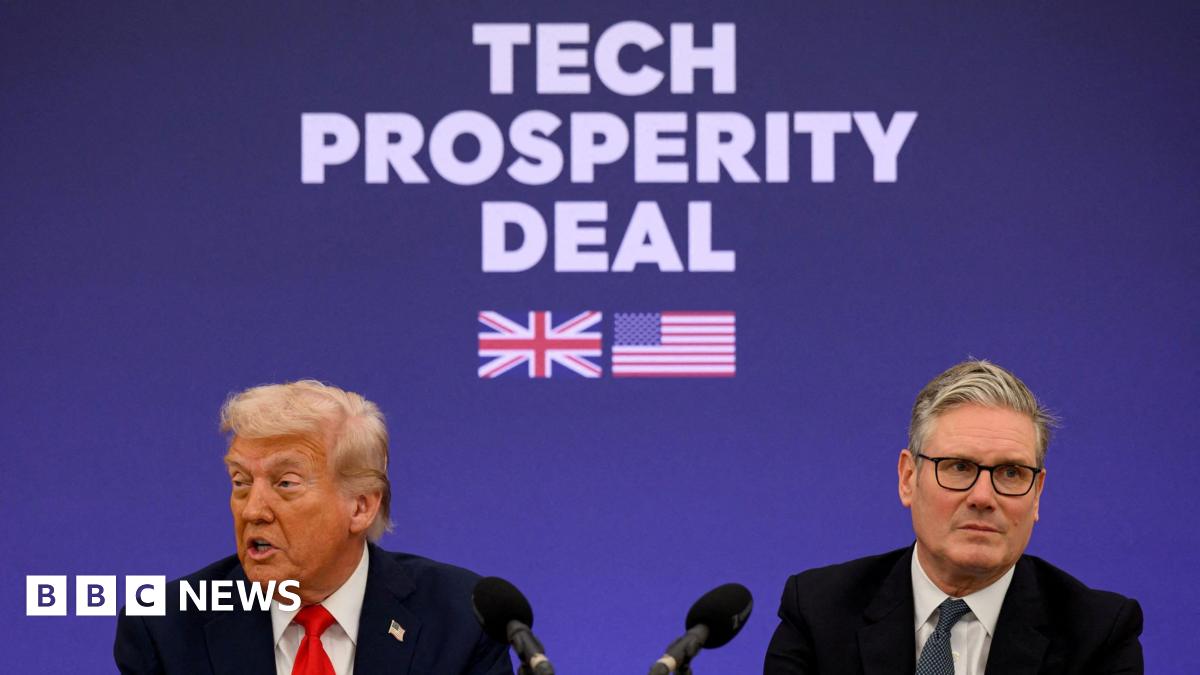
The tech pact was documented in a Memorandum of Understanding, external (MOU) which said both countries would seek to collaborate across AI, quantum computing and nuclear power.
It said this could include working together to build “powerful quantum machines,” support innovation in AI hardware and explore potential new ways to use advanced nuclear energy.
But the MOU also states any proposals are not binding and that it only “becomes operative alongside substantive progress being made to formalise and implement” the wider US-UK Economic Prosperity Deal, signed in May.
The Trump administration has sought to rewrite the global rules on trade, imposing tariffs on many countries – including traditional allies like the UK – and seeking new deals which it argues are fairer to the US.
For the UK that has meant haggling over various sectors of the economy, a process which has yielded agreements on cars and more recently, pharmaceuticals.
However, a proposed deal to eliminate tariffs on UK steel exports to the US has been put on hold indefinitely, the BBC understands.
Allie Renison, director of communications firm SEC Newgate UK and a former government trade adviser, said the current impasse over tech reflected the US and UK’s “slightly piecemeal approach” to inking trade deals.
“Instead of having everything done at once, different areas are being linked to different parts,” she told the BBC – noting how concerns about separate trade areas may now be affecting tech agreements.
While questions hung over what the potential roadblocks could mean for US tech firms’ pledged investments in the UK, Ms Renison added, it was unlikely to be little more than “a bit of posturing in the wider negotiations”.