 By bizn_fun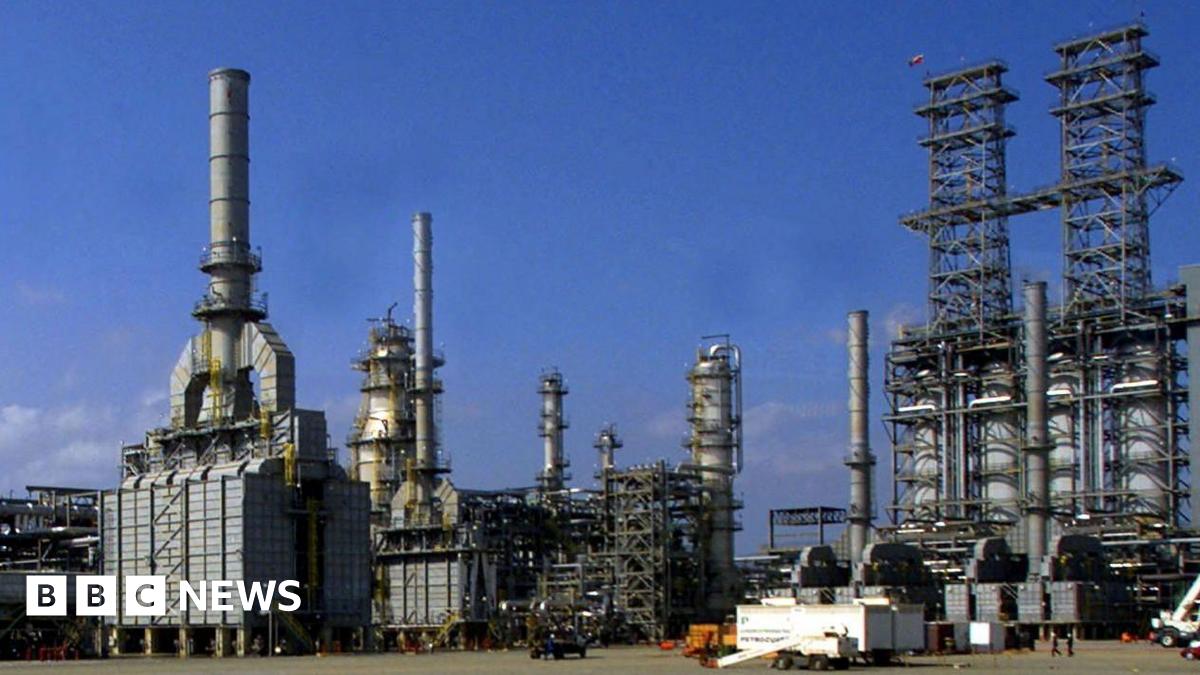
Venezuela has some of the world’s largest proven oil reserves, but disinvestment, mismanagement and decades of American sanctions have left it with output of only about 1 million barrels per day – less than 1% of global production.
That supply, which provided critical resources to the Venezuelan government, in recent years has been going primarily to China.
But that too has been disrupted in recent months after the US ramped up strikes and a blockade of Venezuelan tankers as part of its pressure campaign against Maduro.
On Wednesday, Beijing’s foreign minister condemned the US seizure of Maduro and American plans to exert control over Venezuela’s oil resources.
Trump is due to meet with oil executives at the White House on Friday.
Analysts said that in the short term, American oil firm Chevron and US oil refineries, which are set up to process the kind of “heavy” crude that is characteristic of Venezuela’s output, are well placed to benefit from increased flow of oil from Venezuela.
Such a shift could put pressure on Mexico and Canada, which produce similar crude and are currently the main sellers to US refineries.
Oil prices, which are already relatively low amid steady supply and muted demand expectations, slipped further over the last week on the prospect that Venezuela might have increased access to the global market.
But analysts have warned that meaningful expansion of the country’s output will take years and billions of dollars in investment, which firms may be hesitant to undertake, given less risky opportunities in the US and in other countries such as Guyana.