 By bizn_fun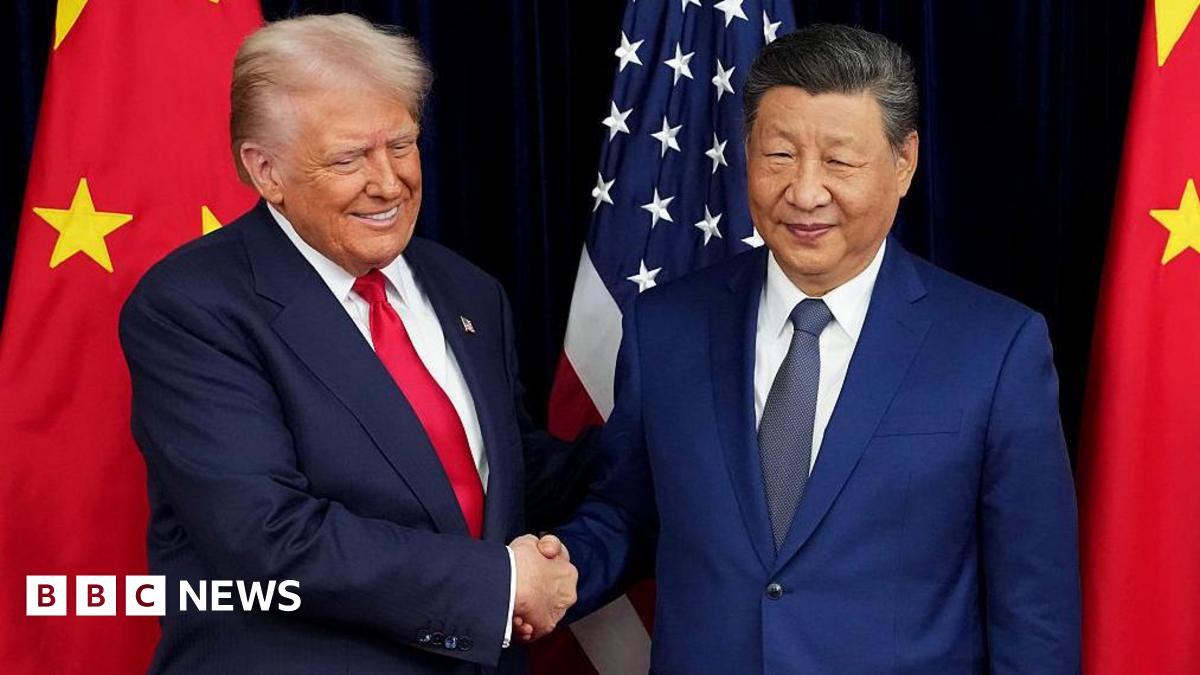
Yet the impact of the tariffs on the global economy was not as bad as it could have been, notes Maurice Obstfeld of the Peterson Institute for International Economics, who is also a former chief economist at the IMF. He says this is the case because “countries didn’t retaliate strongly against the US”.
Obstfeld adds: “And the one country that did forcefully hit back, which is China, induced the US to back down very quickly. So we certainly avoided a trade disaster.”
However, after five rounds of trade talks, the world’s two biggest economies still have more tariffs and other trade restrictions, external in place against each other than when Trump took office for the second time.
The tariffs have pushed up costs for many businesses and increased uncertainty, which makes it harder to plan for and invest in the future.
Despite the resilience seen so far, “these frictions and uncertainties take their toll over time”, such as through efficiency loses, according to Obstfeld.
Some of the damage of tariffs has been mitigated by lower interest rates, a fall in the value of the dollar, businesses finding clever ways around them, and, crucially, the many exemptions they contain.
This may help explain why the UN trade agency UNCTAD is forecasting that the value of global trade grew 7% last year to reach more than $35tn (£26tn)., external
Yet Obstfeld says the loopholes in US tariffs are a double-edged sword. “The exemptions mean lower tariffs in practice, but they also introduce a lot of uncertainty about how you get them.”
Countries including the UK, South Korea and Japan have managed to navigate those mysteries and agree trade deals with Trump. Others will hope they can do so during 2026.