 By bizn_fun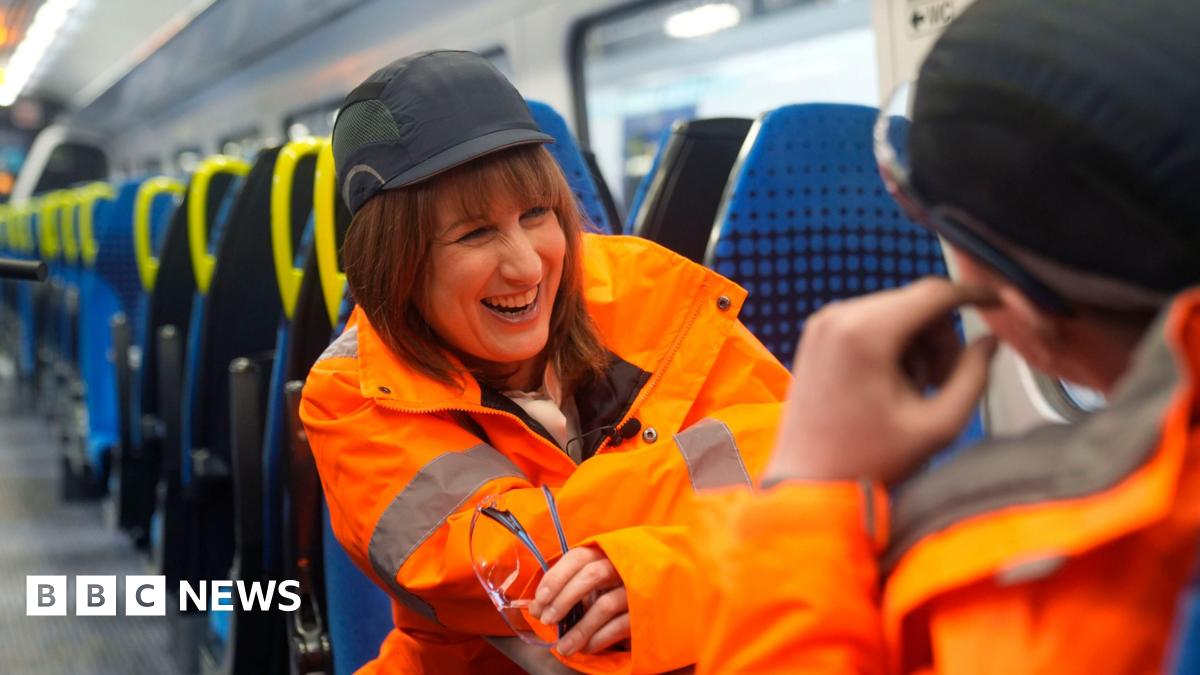
What has changed since 2015 is that Greater Manchester is now the fastest growing city in the UK. It boasts two Premier League big beasts, a teeming music scene, and has even snaffled the Brit awards. Manchester also has designs on a World Cup Final in 2035 and is rumoured to be mulling an Olympic bid.
The difference in the government’s plans this time, it argues, is that the planning has come first. There is a strategy in the sequencing of lines. The costs of the line will be cheaper as they will not be built to HS2 specifications. They have actively decided to go for a pricier line via the airport because of the growth impact. There is almost political consensus here.
But there are pitfalls and mined areas ahead, quite literally.
Some of the NPR route is over old unmapped mining areas, especially the Cheshire salt mines. No one is quite sure what lies beneath the green vistas which will be replaced by high speed rail.
It is also quite the political junction. It delivers a win to Greater Manchester Mayor Andy Burnham, who held out until this week on agreeing the deal, potentially providing Sir Keir Starmer some breathing room.
Tuesday’s move assuages what had been growing frustration at the lack of a big picture vision from the Labour government.
And Burnham’s people say that, as he weighs a leadership challenge after May’s local elections, he is genuinely enjoying running booming Manchester.
Reeves told me that, while the government would like to better connect the north and the south, it has chosen here to prioritise connections between northern towns and cities.
Interesting, here, is the Reform factor.
To some surprise, the insurgent party’s leadership backed scrapping the London to Liverpool plan, though it would have supported an underground station in Greater Manchester.
Deputy leader Richard Tice told contractors “not to bother” bidding for contracts, which a prospective Farage-Tice government would scrap.
Labour’s northern leaders implored the government to seize what they saw as an opportunity to push Reform back and appeal to northern England’s pride in its infrastructure and concern about the money always found for projects “down south”. It may be another reason for this green light.
The chancellor says it is the most important decision she has made and it needed time to get right. It’s going to take time to see a line, a train, or even a passenger. But for the long suffering rail commuters of the historic pioneering routes of northern England, there may be new tunnels, and there may be light in them too.
It’s a green signal, if not quite full speed ahead.