 By bizn_fun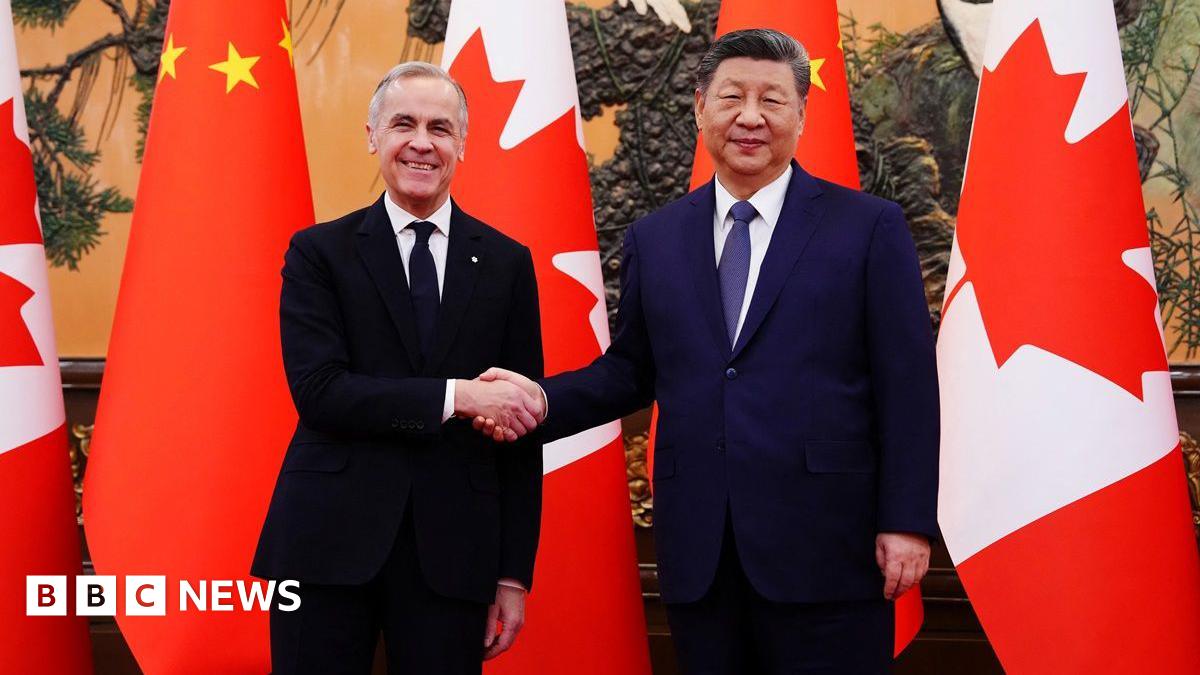
The last Canadian PM to visit China was Justin Trudeau, who met Xi in Beijing in 2017.
That visit took place before the relationship soured in 2018, following Canada’s arrest of Meng Wanzhou, the chief financial officer at the Chinese tech giant Huawai, at the request of the US.
Days later, China detained Canadian citizens Michael Kovrig and Michael Spavor on espionage charges – a move critics saw as retaliation for Meng’s arrest, which China denied.
Meng and both Michaels were released in 2021.
Ahead of the Carney-Xi meeting, Michael Kovrig wrote on X that the visit should not just be about warming ties but also “managing leverage”.
Kovrig described Chinese negotiators as “extremely adroit, calculating, and always looking for leverage”.
“That’s why engagement has to be handled with discipline,” he wrote, adding that Carney should also advocate for Canadians imprisoned in China. There are about 100 of them, according to Canadian media.
Speaking to reporters, Carney was clear that with countries that do not share the same values, Ottawa will engage on a “narrower, more specific” manner.
“We’re very clear about where we cooperate, where we differ,” he said, adding that Chinese claims over self-governed Taiwan and Hong Kong’s jailed pro-democracy figure Jimmy Lai came up in “broad discussions”.
Canada and China have “different systems”, he said, which limits the breadth of their cooperation.
“But to have an effective relationship, we have direct conversations. We don’t grab a megaphone and have the conversations that way.”