 By bizn_fun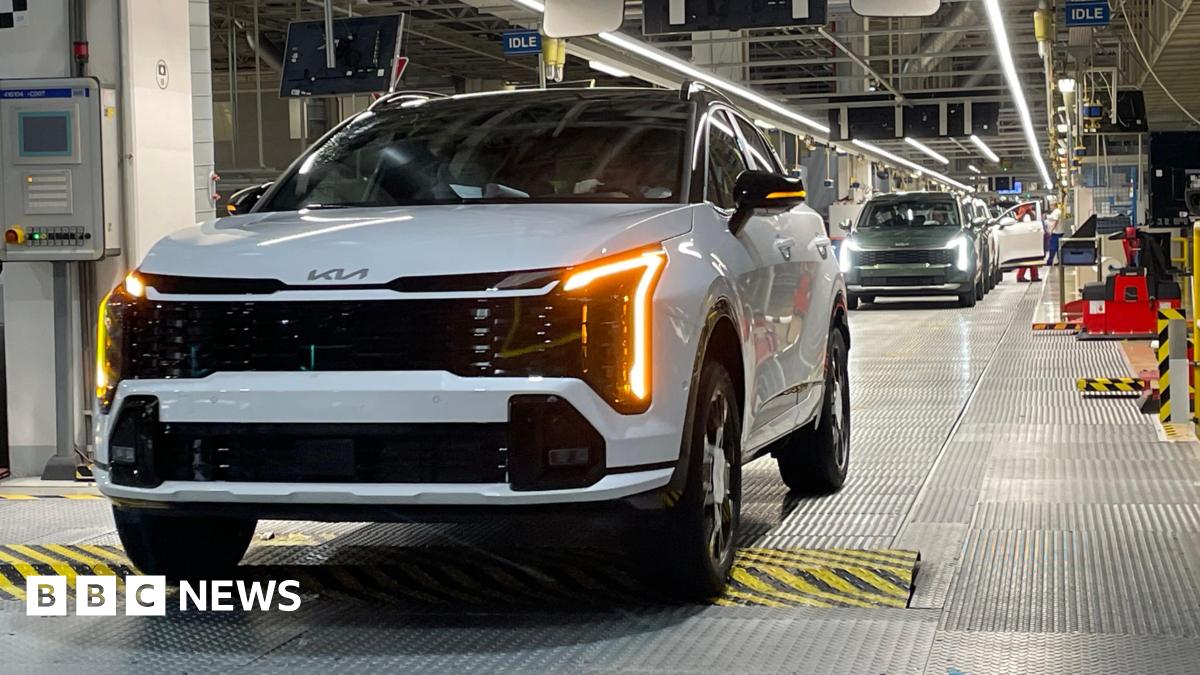
Kia didn’t want to go into details about the incentives it received from the Slovak government to start production in the country back in 2006.
Yet Hedrich did say it received a tax credit of €29m for transforming its Slovak production lines for its new electric vehicles, the total cost of which was €108m.
The Slovak government offers these incentives to carmakers because the benefits for the country are enormous.
“There has been a huge decline in unemployment, and a significant increase in the economic strength of the Zilina region thanks to Kia,” says the city’s mayor, Peter Fiabane.
“Today, more than 20,000 people are directly employed by Kia and other companies that are linked to Kia by production.”
Hedrich also points to the quality of available workers in Slovakia. At the Zilina’s Technical School 100 students are on a Kia-sponsored “dual programme”, whereby they alternate between studying and working at the factory.
At the separate University of Zilina, around 400 of its graduates get jobs connected to the automotive industry every year.
While Slovakia leads the way, other former Eastern-bloc nations have also seen Western and Asian carmakers set up factories. In the Czech Republic there’s Hyundai, Toyota and VW, while in Poland it is Toyota, Stellantis and VW again.
Meanwhile, Audi, Mercedes-Benz and Suzuki have facilities in Hungary, Ford and Renault are in Romania, and Ford is in Serbia. All are attracted by low wages, and a tradition of industry and educated workers.