 By bizn_fun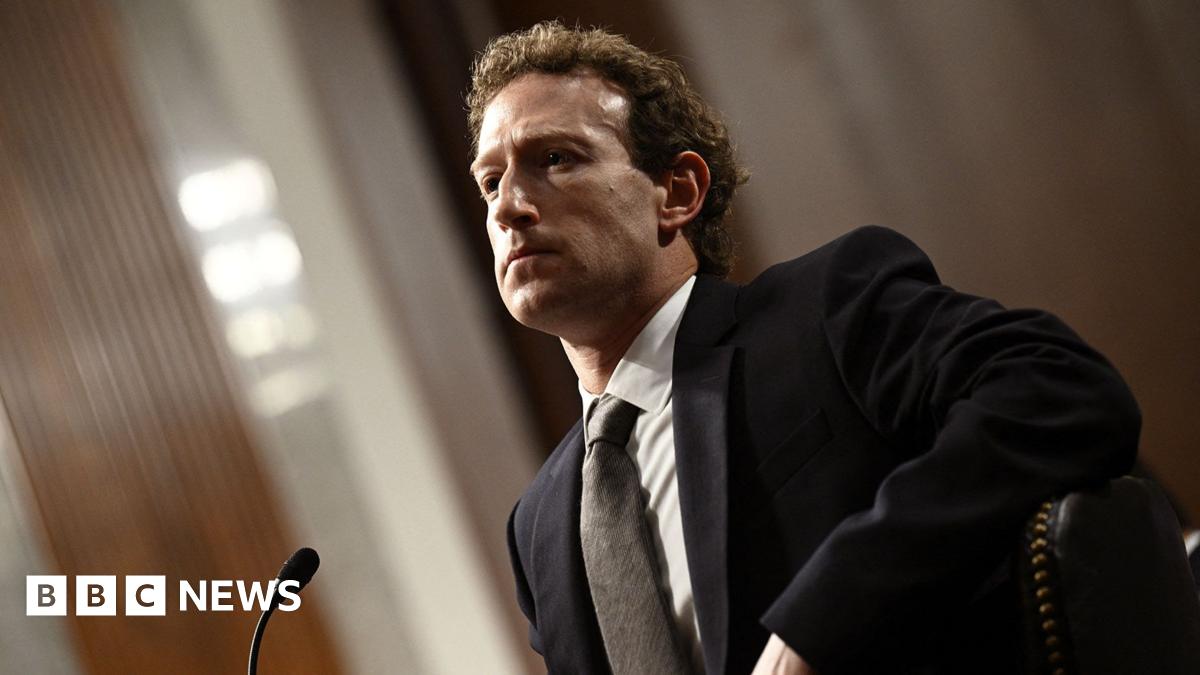
At trial, jurors are expected to see an array of evidence, including excerpts from internal company documents.
“A lot of what these companies have been trying to shield from the public is likely going to be aired in court,” said Mary Graw Leary, a law professor at Catholic University of America.
Meta previously said it introduced dozens of tools to support a safe environment for teens online, but some researchers have disputed the effectiveness of the recent measures.
The companies are expected to argue any asserted harms are caused by third-party users.
One highly-anticipated witness the jury will hear from is Meta boss Mark Zuckerberg, who is due to testify early in the trial.
In 2024, he told US senators “the existing body of scientific work has not shown any causal link between social media and young people having worse mental health outcomes”.
During that same hearing, at the prodding of one senator, Zuckerberg apologised to victims and their loved ones who had crowded into the chamber.
Tech executives “are often not good under pressure” said Mary Anne Franks, a law professor at George Washington University.
She said the firms were “very much much hoping” they could avoid having top bosses testify.
The trial comes as the companies face growing scrutiny from families, school districts, and prosecutors worldwide.
Last year, dozens of US states sued Meta, alleging the company misled the public over risks of social media use and had contributed to a youth mental health crisis.
Australia has enacted a social media ban on under-16s, and the UK signalled in January it may follow.
“There is a tipping point when it comes to the harms of social media,” Franks said.
“The tech industry has been given deferential treatment – I think we’re seeing that start to change.”