 By bizn_fun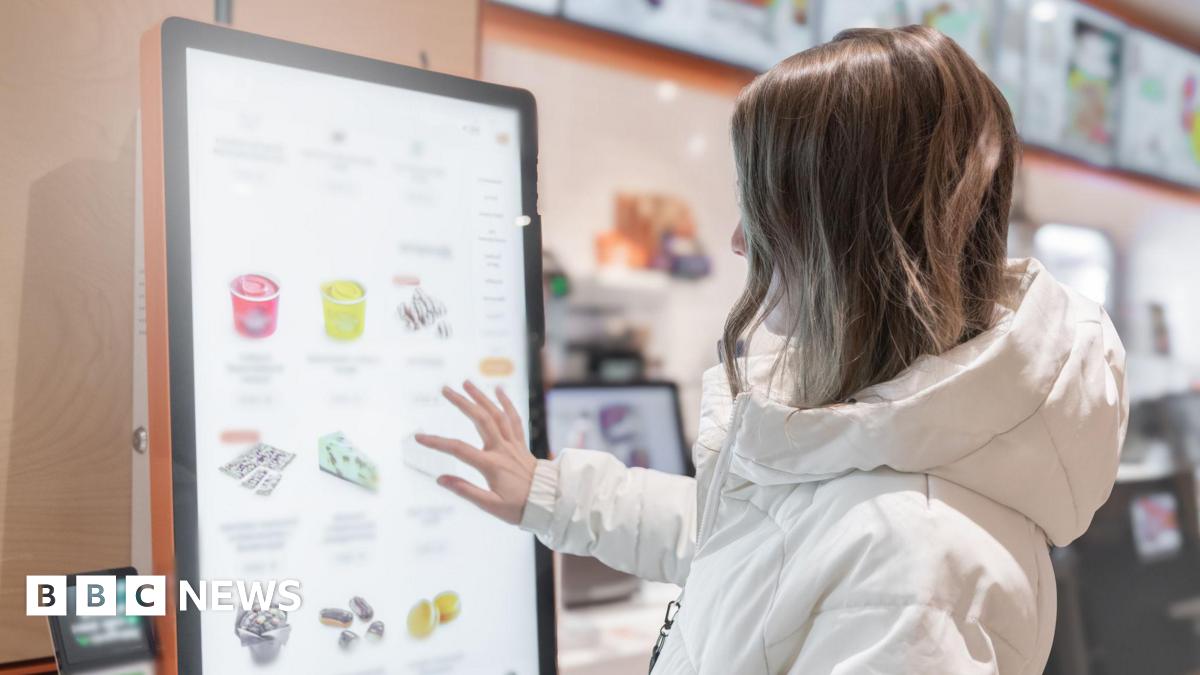
The data backs up what Ward says. Some 61% of customers spend more at a terminal than a till, according to another provider, external of the technology, Vita Mojo. The London-based firm’s clients include fast-food chains Leon and Honest Burgers.
The increased amount that people spend per order is said to be as much as 40%.
Before it was even known as behavioural science, companies were using the psychological tools it taps into to shape our choices.
Back in the 1940s, the US tobacco company RJ Reynolds ran a famous cigarette campaign lauding the fact that “more doctors smoke Camels than any other cigarette”.
Today you can see echoes of that campaign in ads for toothpaste, with dentists recommending a particular brand.
Ben Jones is from UK and Australia-based business consultancy The Behavioural Architects, which looks at behavioural science and how it can be used by companies.
He says that in both the tobacco and toothpaste examples, the firms were tapping into something known in behavioural science as “authority bias”.
“Authority bias is the tendency we have to align our opinions, or our behaviours, with someone we see as an authority or an expert on something. When we’re unsure, we don’t know what to do, it’s kind of easy to follow the lead of those who we think are credible or knowledgeable.
“Some businesses can draw on this through things like endorsements. dentists recommending toothpaste, athletes endorsing sportswear, nutritionists with food.”