 By bizn_fun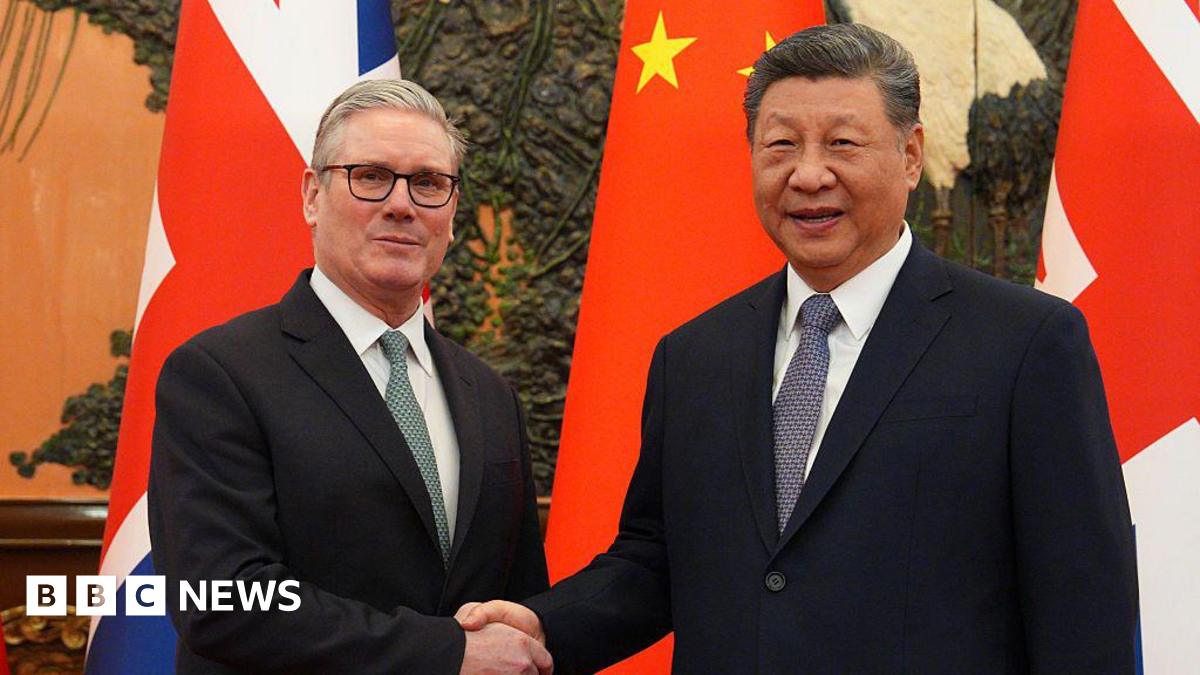
Foreign businesses have long complained about the difficulties of doing business in China, flagging red tape, complex regulations, and a lack of transparency.
These can complicate investment decisions and create uncertainty for companies.
“Any market has its own challenges, so of course we’ve got to be clear eyed and seek expert advice,” Fitzgerald said.
“We have had good discussions with the Chinese officials who have welcomed our entry. And we have been careful to choose an excellent partner… So we are excited to take the immense opportunity that the world’s largest renewable energy market offers.”
Sir Keir’s Labour government has struggled to deliver the economic growth it promised, making the China visit a high-stakes test.
Despite scrutiny at home, improving relations with the world’s second-largest economy has been a priority for the British prime minister.
The move, however, requires a delicate diplomatic balancing act.
US President Trump recently warned that Canada could face 100% tariffs over deals struck with China during Mark Carney’s visit, and he has warned the UK about deepening its commercial ties with Beijing.
Sir Keir has insisted that Britain does not need to choose between Washington and Beijing, framing the reset as a pragmatic way to support growth at home while managing geopolitical risk.
At the UK–China Business Forum in Beijing on Friday, he described meetings with Xi as “very warm” and highlighted the significance of agreements on visa-free travel and whisky tariffs.
These offer British firms “really important access” and are “symbolic of what we’re doing with the relationship”, he said. “That is the way that we build the mutual trust and respect that is so important.”
Sir Keir’s visit is one of a flurry of trips to Beijing, as leaders from France, Canada and Finland seek to hedge against an increasingly unpredictable United States.
With Washington pursuing aggressive tariff policies and even making threats over Greenland, these so-called middle powers are looking to diversify trade and investment partners while securing new markets.
At the same time, these countries will be watching closely the deals that the UK, Canada, France and others are striking with China.
They will all need to remain competitive in attracting Chinese investment and accessing the world’s second largest economy.