 By bizn_fun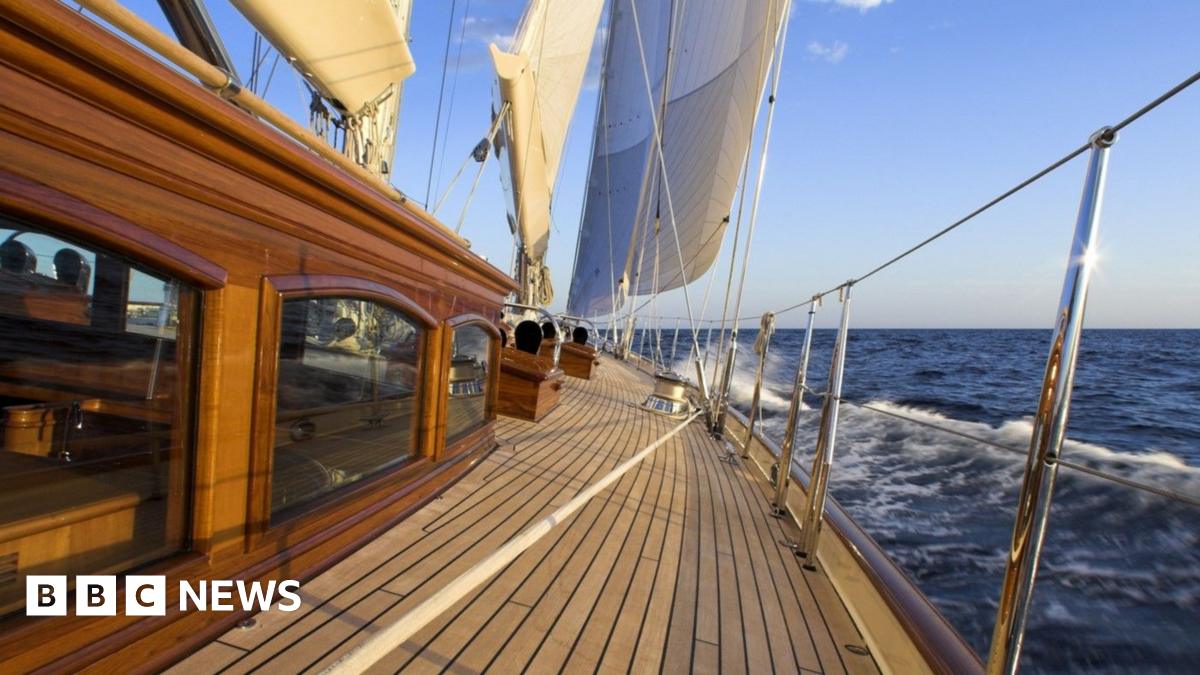
It is a well-known problem that Myanmar teak continues to find its way into supply chains, passed off for example as plantation teak from other tropical countries.
Alternatives to the wood in the yacht industry are gaining traction.
They range from thermally-modified woods, to fully synthetic materials, to engineered teak laminates – and while options have been around for years, recent innovations, say the companies and some users, are making them better.
While prosecutions doubtless have an impact, driving the trend to alternatives is the exhaustion of pre-sanctions stockpiles of old-growth timber.
Meanwhile, plantation teak from younger trees is widely seen by high-end shipyards as inferior, rarely coming in the long, wide, dark-brown boards associated with quality.
Other natural woods that could serve as teak substitutes often struggle to meet the industry’s exacting standards or are limited in supply. Cork is sometimes used, but its appearance doesn’t appeal to everyone.
“Alternatives to natural teak are very welcome,” says Walter Kollert, a Portugal-based forestry consultant and member of the steering committee of TEAKNET, a non-profit international teak information network.
“We are in danger of losing old-growth teak forests which are part of a valuable ecosystem,” he says.
While the furniture and housing industries also use old-growth teak, they have generally found it easier to substitute plantation teak than the yachting industry, he adds.