 By bizn_fun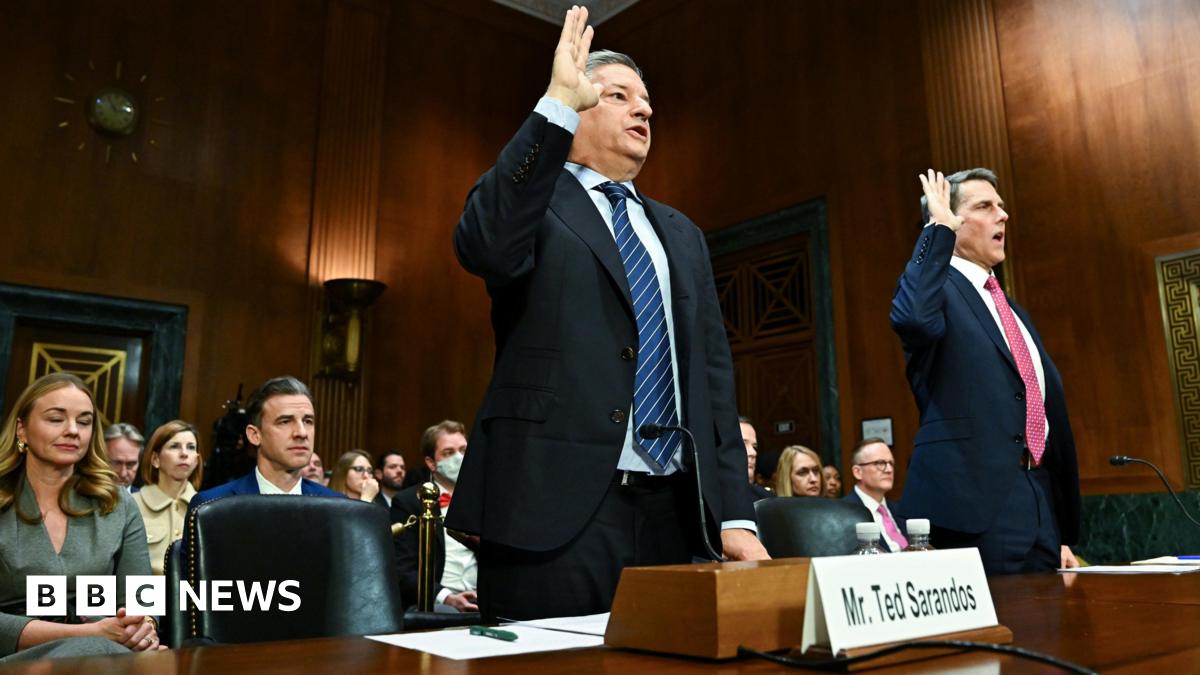
The Senators’ questioning highlighted bipartisan opposition to the merger. But DoJ regulators have the authority to decide whether to approve or block the deal.
During the hearing, senators quizzed Netflix co‑chief executive Ted Sarandos on the fate of theatres if the deal were to be approved, the effects of the merger on subscription prices and on the entertainment workforce.
Sarandos said his company would commit to releasing Warner Bros films for a 45‑day theatrical period – the current industry standard – and pledged to run the studio “largely as it is today”.
He argued that combining the two companies would “give consumers more content for less”, noting that 80% of those who subscribe to HBO Max – a streaming service that is part of Warner Bros’ library – also pay for Netflix.
He also insisted the merger would create more American jobs.
But Republican Senator Mike Lee warned that “consolidating two major employers within the same market inevitably has an impact on, and can significantly weaken, competition for that labour”.
Although several Republican Senators expressed concern about competition issues, some also focused on the ongoing culture‑war debate.
Senator Eric Schmitt, a Republican, accused Netflix content programming of being “overwhelmingly woke”.