 By bizn_fun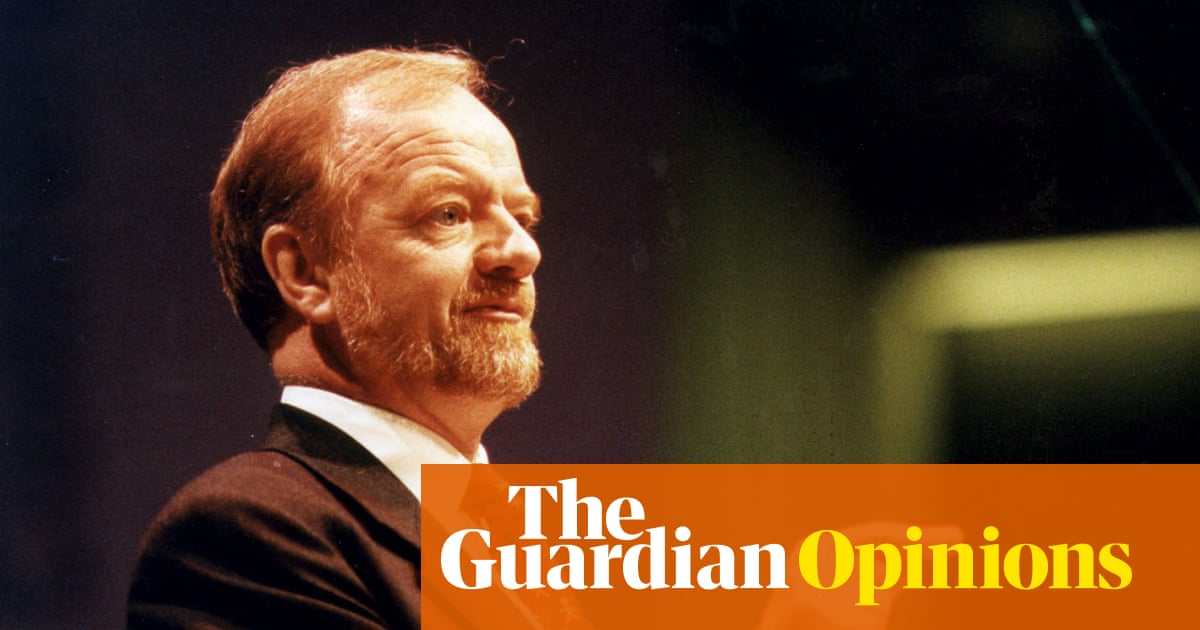
Trade can be a dirty business. Andrew Mountbatten-Windsor was tolerated as a “special representative for trade and investment” in the noughties despite allegations that he kept convicted gun smugglers for friends, while Peter Mandelson’s ability to schmooze the rich and famous repeatedly overruled concerns about his probity.
To close a deal, there are always compromises to be made, and sometimes the terms are unsavoury.
Britain is at the forefront of international deal making. It has been a trading nation for as long as it has existed. And even before that. Recent studies have shown the Cornish were trading tin and copper long before even the Romans arrived in the UK.
The question is, as trade routes become dominated by new powers, such as China and India, does the UK pursue its interests in the same old ways or attempt to clean up its act.
Keir Starmer told us what he thought last year when he appointed Mandelson to be US ambassador, and in so doing, became yet another prime minister to put the art of the deal before more ethical concerns.
When Liz Truss appointed Ian Botham as a trade envoy to Australia, the former cricketer’s qualifications for the job were not immediately obvious.
Last week, a group of MPs said the prime minister had spurned an opportunity to show he wanted to promote more sophisticated, secure and transparent trading relationships when he refused to appoint a “cross-government minister for economic security”.
Liam Byrne, the business and trade committee chair and former Treasury minister, said deals were being done that needed more scrutiny, especially when Chinese companies are involved, to prevent them becoming national security issues later on.
Byrne wants the government to be more mindful of the intrusion, coercion and spying that can accompany deals with big businesses in other countries.
Byrne mentions China consistently in his warnings about trade deals and there are clear reasons to be concerned: China’s ruling Communist party is calculating and amoral in its dealings with the outside world.
There are also the governments and powerful elites that have become corrupted by the discovery of natural mineral wealth before they adopted democratic institutions, or were handed them by former colonial rulers.
The financial waters have become even murkier in the last 30 years after an explosion in the money generated by the drug trade, which needs legitimate agencies to clean up the dirty cash.
This is where corruption arrives on the doorstep of every country, regardless of their democratic history.
Robin Cook wanted to establish Britain as an ethical trading nation when he became foreign secretary in the first Blair government. It was 1997 and China was emerging as big exporter. He gave a speech just 10 days after the election, in which he said: “The Labour government does not accept that political values can be left behind when we check in our passports to travel on diplomatic business. Our foreign policy must have an ethical dimension.”
In the 1980s, the £40bn al-Yamamah deal, initially for the supply of 120 Tornado aircraft and other military equipment, was agreed by the government of Margaret Thatcher and the son of the Saudi defence minister, Prince Bandar bin Sultan Al Saud.
Thirty years later a report on the deal emerged to show how civil servants appeared to have lied about illicit commissions being paid to lubricate the deal.
Cook lasted almost four years in the job, but his ethical foreign policy proved to be temporary. Those who see al-Yamamah as expedient won.
Cook was described as naive when he embarked on his mission and it was probably a fair criticism. Byrne’s mission is more focused and hard headed.
Yet it still prompts the question. Can Britain navigate relationships with the likes of India, China, South Africa and Brazil in a way that avoids backroom deals.
The Liberal Democrats would say the answer is to get back inside the EU. That might happen 20 years from now, but the obstacles are many.
Access to the single market and the customs union are strict. Switzerland and Norway have discovered this, and both have accepted being rule takers to gain access.
Last month, trade minister Chris Bryant announced new trade envoys for France, Germany and Italy in an effort to build bridges beyond Brussels. It was Bryant who, in 2011, criticised “AirMiles Andy” for being a close friend of Libyan leader Muammar Gaddafi’s son Saif and the convicted Libyan gun smuggler Tarek Kaituni.
The trade minister’s plan to use some of the smartest Labour MPs outside government to link up with officials on the continent might help secure trade access at the margins. But Byrne is right that the more pressing issuing is how to protect ourselves from the temptation of cheap stuff, especially from China. And the kind of major deals – in defence, in the NHS and infrastructure – that store up problems for the future.
Beijing’s seduction of the UK, now that it lies outside any major trading bloc, is just beginning. Beijing wants to tempt us with cheap electric cars, cheap telecoms equipment and cheap artificial intelligence now the EU and the US have placed stricter limits on trade.
In response, the UK needs a more systematic way of deciding what to buy. No more secret deals. No more laissez-faire.