 By bizn_fun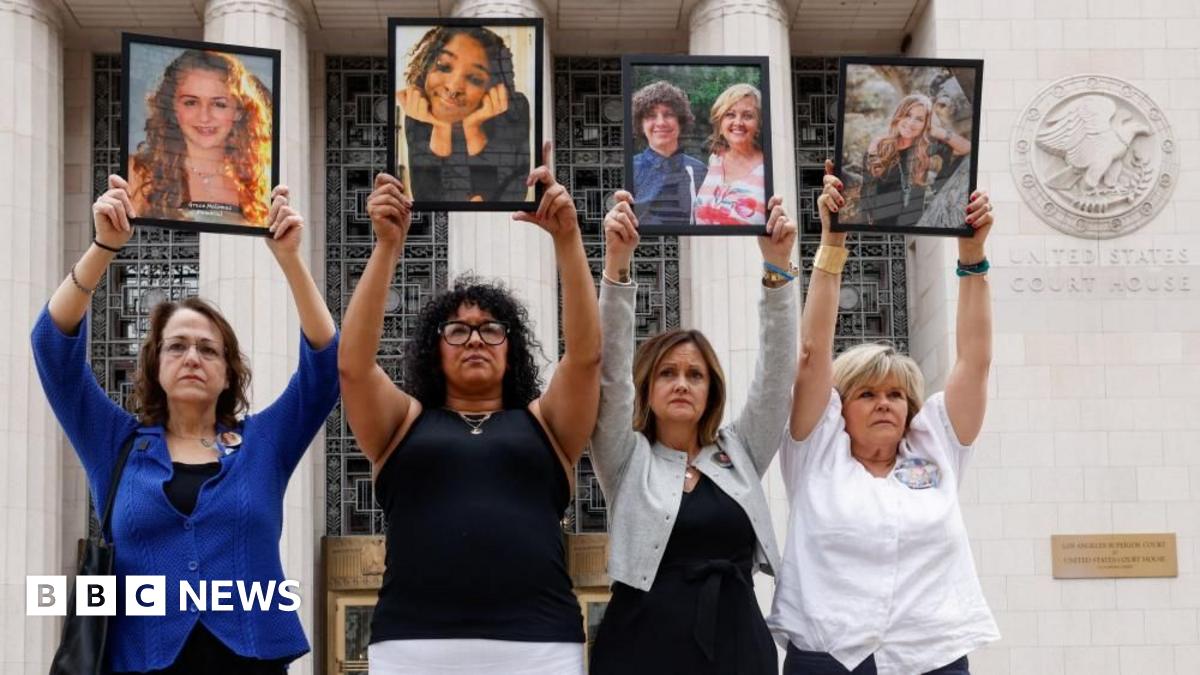
K.G.M. will be referred to by her initials, or as Kaley G.M., because the alleged harms took place when she was a minor.
Lanier also charged that Meta and YouTube failed to warn of the dangers to young users posed by the design of their platforms.
Lanier underscored his opening remarks by speaking with a display of children’s blocks in front of him: the words “Addicting,” “Brains” and “Children” appeared next to the letters A, B, and C.
“This case is about two of the richest corporations in history who have engineered addiction in childrens’ brains,” Lanier said. “I’m going to show you the addiction machine that they built, the internal documents that people normally don’t get to see, and emails from [Meta CEO] Mark Zuckerberg and YouTube executives.”
In a selected portion of a 2015 email Lanier showed the court, Zuckerberg demanded that “time spent increases by 12%” on Meta platforms in order to meet internal business goals.
As for YouTube, Lanier said the platform, owned by Google, intentionally targeted young users because it could “charge advertisers more”, as compared to its YouTube Kids platform.
The claimant’s lawyer accused YouTube of trying to take advantage of busy parents looking for a “digital babysitting service.”
The proceedings on Monday marked the first day in what is poised to be a six-week trial with significant implications for similar lawsuits around the country likely to go to trial this year.
The Los Angeles trial will test legal arguments set forth by families claiming to have seen their children suffer due to their use of social media and the platforms which reject liability for how their platforms are used by people.
Over the course of several weeks, there will be testimony from experts, family members of children who died, and by Zuckerberg, Adam Mosseri, the head of Instagram, and Neal Mohan, the CEO of YouTube.
Jurors are also expected to hear from former Meta employees who quit and became whistleblowers regarding the issue of social media addiction among children.
The outcome of the trial may provide a benchmark for monetary damages that would likely impact thousands of cases brought by other plaintiffs, their families, state prosecutors, and school districts across the United States.
Monday’s proceedings took place as about one hundred people watched from the gallery, including parents who believe their children died as a result of choices the companies made about how to design their algorithms, notifications and other features.
In their forthcoming opening statements, the tech companies are expected to argue that K.G.M.’s mental health harms were caused by factors unrelated to their platforms, such as challenges she suffered during her childhood.
The companies also maintain they are not responsible for content that third parties post under federal law.
Snapchat-parent Snap and TikTok both settled with K.G.M. last month and are no longer defendants in the case.